The Science We Explore
Evidence-guided, never overpromising
I learn from research in auditory neuroscience, psychoacoustics, and music cognition. I test with care and communicate with transparency. This page shares what I'm exploring—not clinical claims.
Educational content only. GammaTune does not provide diagnosis, treatment, or medical advice. Always consult qualified healthcare providers for health concerns.
Sound Has Structure
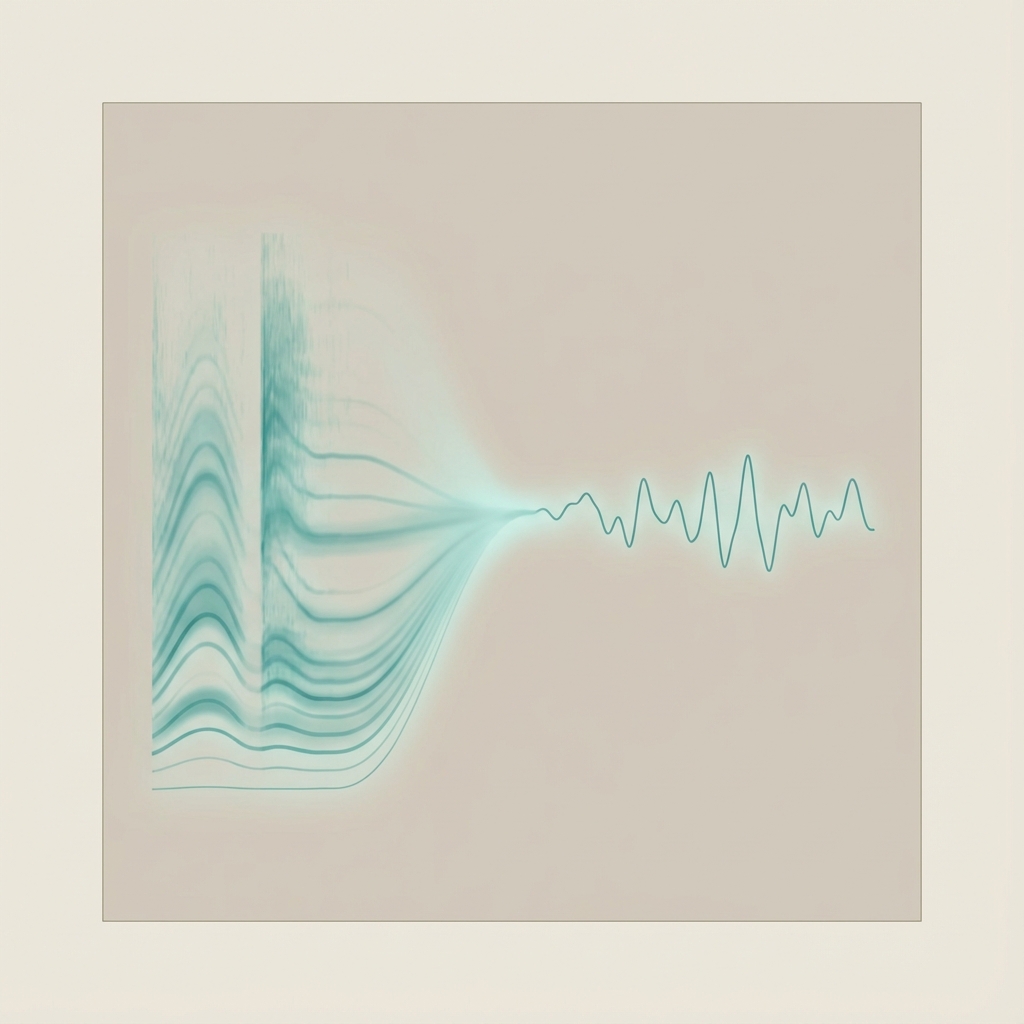
A spectrogram is a visual representation of sound over time. It shows which frequencies are present and how loud they are at each moment.
Looking at a spectrogram, you can see the 'fingerprint' of different instruments—their unique overtones and how they change.
This structure isn't magic; it's physics. By understanding it, I can design sound experiences with intention.
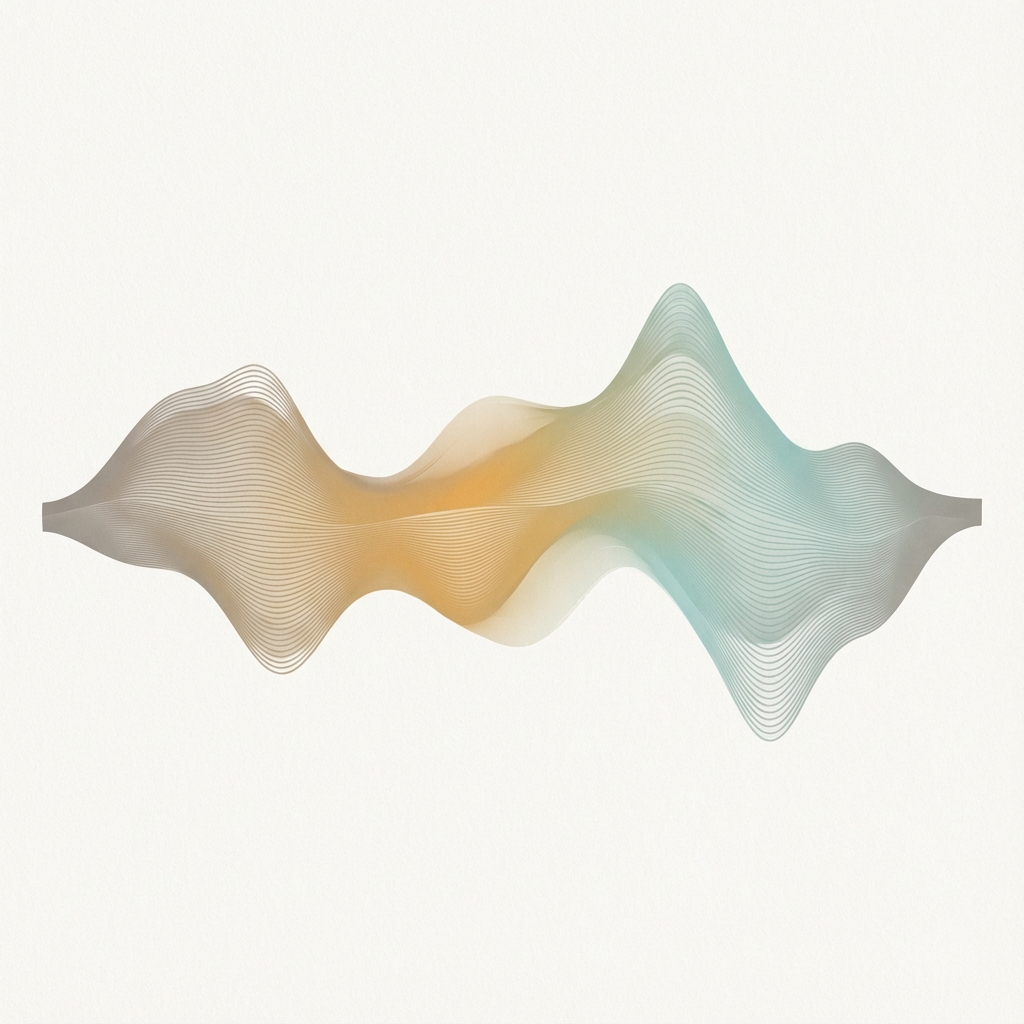
The Brain Responds to Rhythm
Research explores how rhythmic auditory stimulation can influence brainwave activity.
When sound has a clear, steady pulse, the brain can naturally follow along—a phenomenon sometimes called 'entrainment.'
I study these responses to learn what kinds of sound might support attention, calm, or other states.
This is an area of active research. I don't make clinical claims, but I do follow the evidence carefully.
Timbre and Feeling
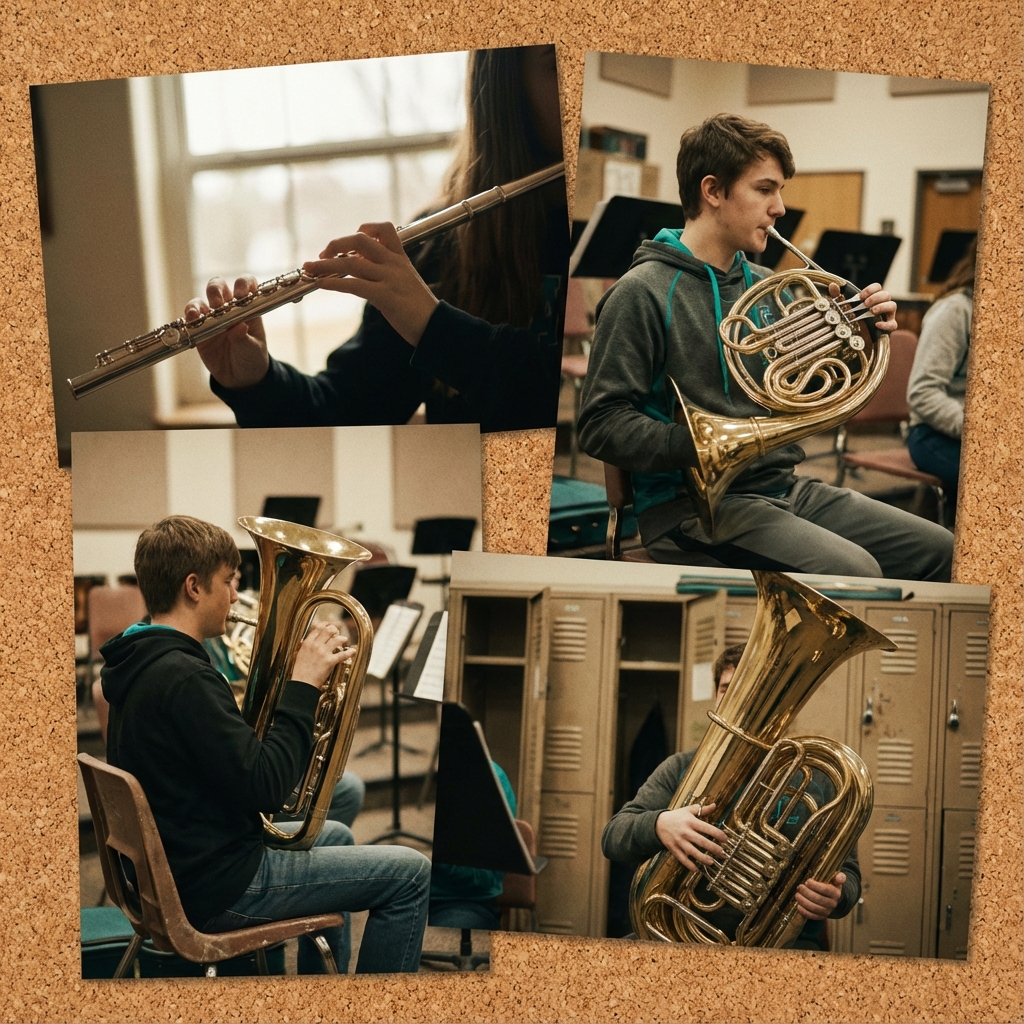
Different instruments have different timbres—the quality that makes a flute sound different from a trombone, even at the same pitch.
Timbre can influence how music feels: bright or warm, tense or relaxed, distant or intimate.
I explore how to select and combine timbres to create experiences that feel supportive and human.
Our Research Approach
I read peer-reviewed literature. I consult with researchers. I design carefully controlled tests.
I'm transparent about what I know and what I'm still learning.
I use words like 'explore,' 'test,' 'learn,' and 'may support'—not 'cure' or 'treat.'
This careful approach is central to who I am.